Using Drugs or Weed to Cope? Why You Feel Stuck and How to Get Out
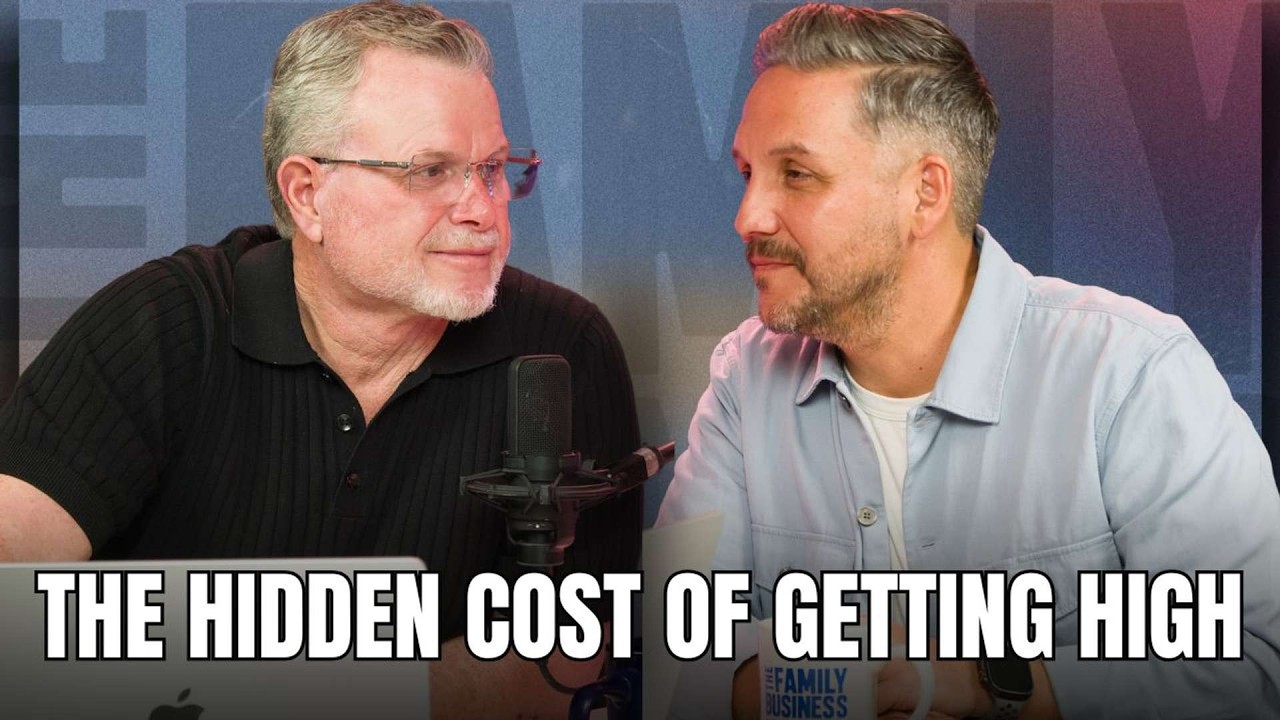
Why do people feel trapped when they use drugs or alcohol to cope? Because every time something hard happens and they escape it, they skip the experience that would have helped them grow. Licensed therapist Ryan Landau, who has been sober for 24 years, puts it simply: the day you start using is the day you stop growing. In this episode, he and host Steve Alessi talk about marijuana, mental health, loneliness in men, and the first steps out.
Listen to the full episode: Why You Feel Trapped When You're Using Drugs to Cope
Key Takeaways
- Many people start using substances to self-medicate fear, anxiety or family pain.
- Using to escape can stall emotional maturity.
- Daily marijuana use often fails to fix the anxiety and sleep problems it is used for.
- Parents should intervene early instead of waiting for a phase to pass.
- Recovery starts with one honest conversation with someone who has been there.
Why Do People Use Drugs to Cope?
Ryan grew up in Miami and started partying at 16. He was an honor roll student and a linebacker. Within a couple of years, he was skipping school for months at a time. Looking back, he believes he was self-medicating fear, anxiety and confusion from his parents' divorce. Drugs and alcohol "were an answer," he says, until they weren't.
Today his clients are often high achievers who function well on the outside. Their escape might be alcohol, drugs, work or endless scrolling, and it keeps them from living fully.
How Does Addiction Stop Emotional Growth?
Ryan noticed that some clients in their 30s and 40s spoke with the emotional maturity of a young teenager. His explanation: when you check out every time life gets hard, you never learn to handle it.
"We don't allow life, God, people to teach us the lessons. We just check out regularly." Ryan Landau
That pattern shows up at home. Ryan says a man who numbs out may stonewall his wife when she asks for accountability, and his kids feel the distance. He sees loneliness as one of the biggest problems men face right now.
Is Daily Marijuana Use Harmful?
Ryan says he was "on the fence" about marijuana until about 2017. Then his clinical work changed his mind. Chronic users told him they still had anxiety, sometimes worse, and poor sleep, the same problems they were using marijuana to fix.
National survey data shows how common the problem is. An estimated 20.6 million Americans had a marijuana use disorder in 2024, based on SAMHSA's national survey. Young people are at higher risk: an NIH-funded study found that adolescents may develop a substance use disorder faster than young adults after first using cannabis.
What Should Parents Do If They Suspect Drug Use?
Ryan's first answer: stop enabling, and don't be afraid to step in. "It's not a phase," he says. He describes a 22-year-old client whose parents brought him in after heavy marijuana use left him so thin he ended up in the ER. With coaching on healthy involvement versus codependence, the young man recovered and graduated from college.
His advice for parents: if you have a concern, look into it, learn about it and talk to people. The sooner you intervene, the better the chances.
A 30-Day Starting Plan
1. Tell one person the truth
Find someone you trust, ideally someone with experience in recovery. Ryan's early sobriety began with honest admissions he had never made before. Recovery rooms often have a sign on the door: "You are not alone."
2. Get safe and get clear
If you are using every day, you may need medically supervised detox first. Ryan notes that withdrawal can bring health risks, including seizures. Talk to a doctor before stopping.
3. Choose a path you connect with
That might be a 12-step program, a church recovery community, a therapist who specializes in addiction, or a combination. Steve points out that faith and community give people connection and a reason to care for their bodies.
Frequently Asked Questions
Can you be a functioning addict?
Many people hold jobs while struggling with substances. Ryan says they are still living "a half-lived sort of life."
Do medications help with addiction recovery?
Ryan is cautious about relying only on medication and wants clients present enough to process their pain. He also says medication can be a bridge for people with severe trauma. For opioid and alcohol use disorders, SAMHSA lists FDA-approved medications as effective treatment, so make this decision with a doctor.
Is addiction genetic or environmental?
Ryan says addiction often runs in families and believes environment plays the larger role, though genetics may still contribute.
Final Thoughts
Using substances to cope can feel like relief, but over time it leaves a person stuck: lonely, disconnected and not growing. Ryan's story, from a teenager on benzodiazepines to a therapist helping others, shows that change is possible. It starts when you stop hiding and let someone in.
About Ryan Landau: Ryan is a licensed therapist who runs a practice in Coral Gables, Florida, with his wife. He works mostly with men and high achievers on addiction patterns and relationships. Learn more at RyanLandau.live.
Your Next Step: Listen to Ryan's full conversation with Steve Alessi. Then go back to the start of the series: how faith and family helped Tony Calatayud quit alcohol, and how addiction affects the whole family.
Need help now? In the U.S., call the SAMHSA National Helpline at 1-800-662-4357 (free, confidential, 24/7), or call or text 988. You can also reach out to a trusted pastor or counselor. This post is not medical advice.
This article is an AI generated summary of our podcast episode from the Road to Recovery Series, Part 3 of 3 | The Family Business with the Alessis
Pastor / Author / Speaker and Encourager
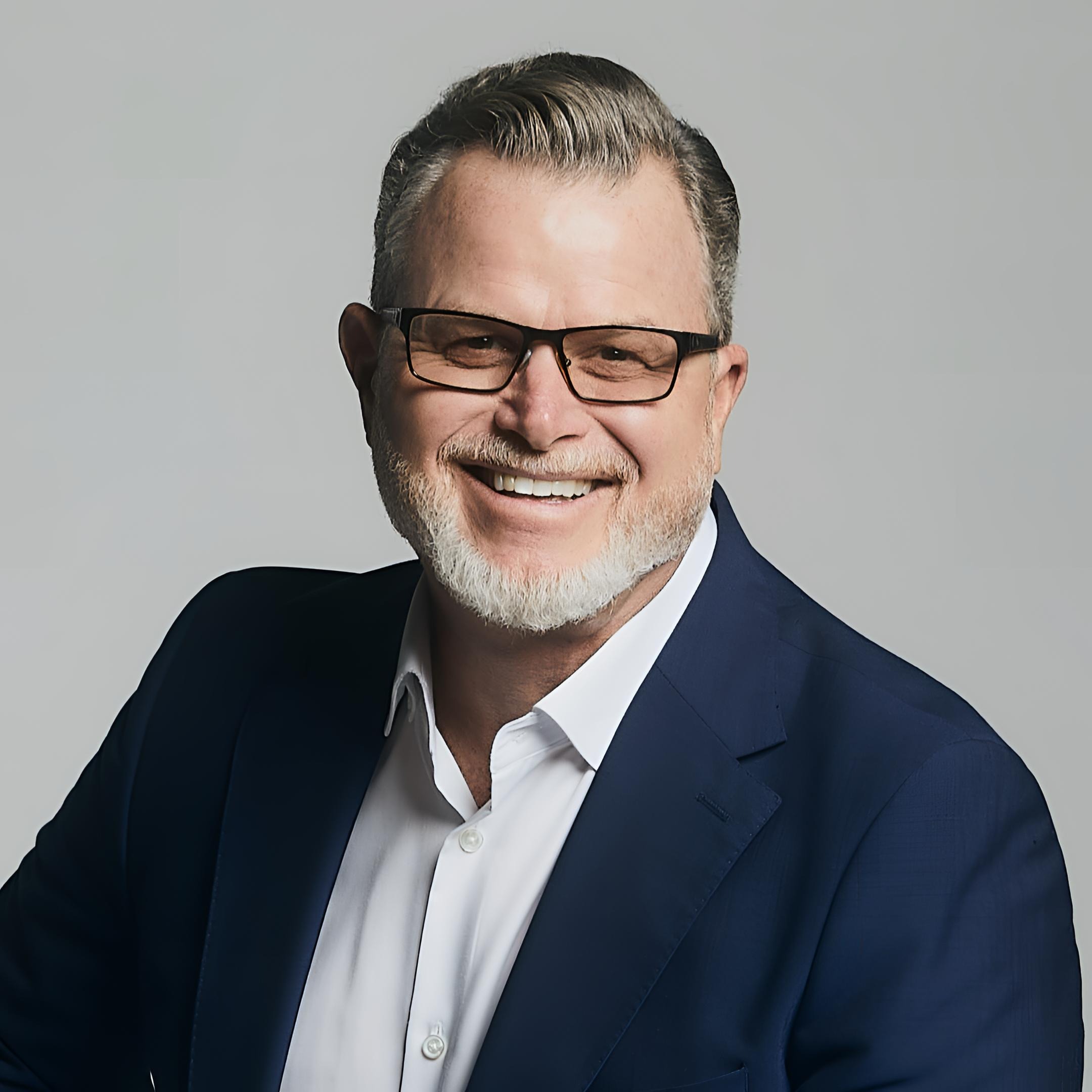
A Miami native, Steve Alessi was called into ministry at the age of 19 and has faithfully answered that call for over 40 years. After graduating from Southeastern University in 1984, he served alongside his parents as Associate Pastor of Grace Church of Kendall.
In 1997, he and his wife, Mary, founded Metro Life Church in Doral, Florida. Then, on November 10, 2013, Pastors Steve and Mary acquired and became the Lead Pastors of Grace Church, transforming it into the Dadeland Campus of Metro Life Church.
Today, Steve enjoys ministering with the help of his wife, four adult children, their spouses and their grandchildren; Christopher & Richelle Alessi with little Marino, Chris & Stephanie Muiña with little Gianna, and Lauren and Gabrielle Alessi. Under his leadership, Metro Life Church has two growing local campuses and a vibrant and innovative online campus. Part of his passion is to challenge men to Man Up in life through Metro’s Goodfellas Camps throughout the year at his Farmhouse in Southwest Georgia. The family also hosts a weekly Christian lifestyle podcast about their lives in ministry entitled The Family Business with The Alessis.
In 2007, Steve suffered a widow-maker heart attack and survived after paramedics worked on him for 42 minutes; hitting him seven times with the paddles to keep his heart pumping. The poignant lessons learned from that experience have been summed up in the book he authored, Forty Two - How To Finish Strong When You Thought You Were Finished. This powerful axiom has become his life's mission to help others … Read More